Tracing Connections Between Layered Incentive Structures and Wireless Funding Pathways for Virtual Table Sequences
Nils Flores · Oct 25, 2026
Tracing Connections Between Layered Incentive Structures and Wireless Funding Pathways for Virtual Table Sequences
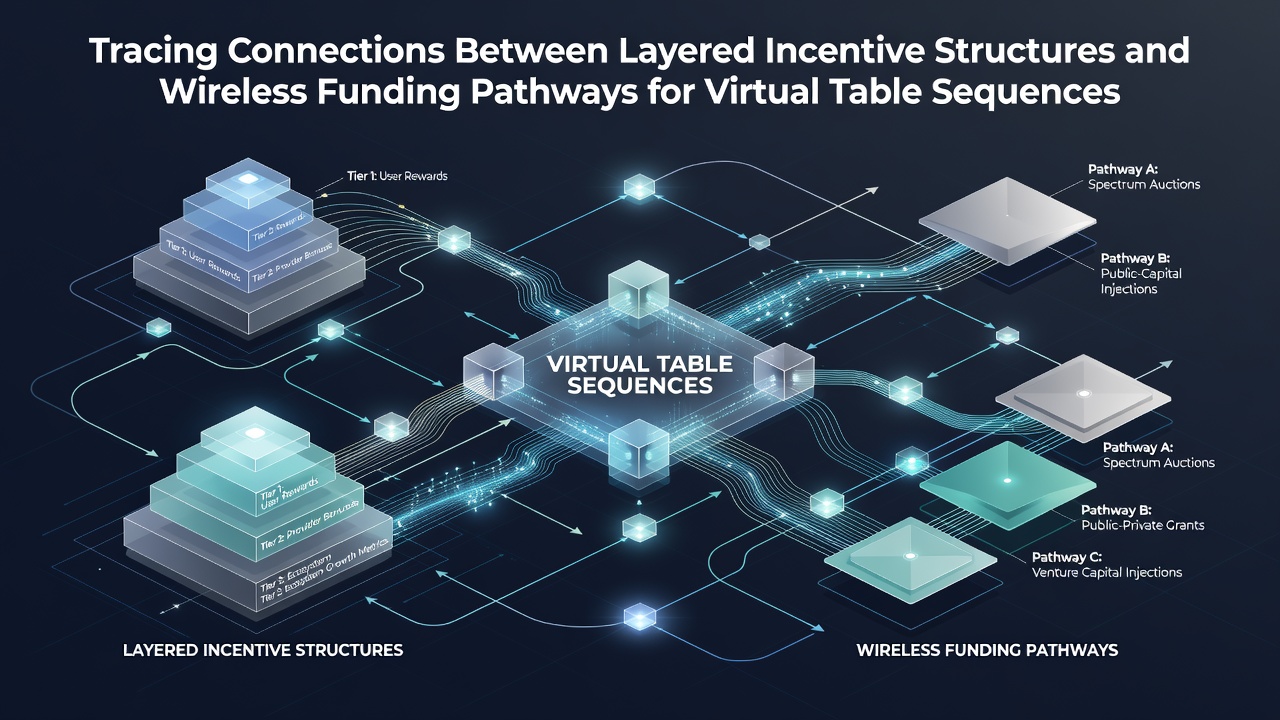
Virtual table sequences in digital gaming environments rely on structured reward layers that align with mobile transaction systems, and industry data from October 2026 highlights measurable links between these elements across portable platforms. Observers note that operators deploy multi-tier loyalty programs where players advance through levels by completing sequences of bets on games such as blackjack or roulette, while funding occurs through wireless channels including app-based e-wallets and near-field communication transfers. Research from academic centers shows these systems interact when deposit bonuses or cashback percentages scale according to player tier status, and transaction logs indicate faster processing times for higher-tier accounts that use integrated mobile gateways.
Layered Incentive Structures in Digital Table Play
Layered incentives typically consist of entry-level welcome packages, mid-tier reload offers, and premium VIP benefits that unlock enhanced multipliers on table game wagers, and analysts track how these layers influence sequence length and frequency. Data indicates that players at advanced tiers receive priority access to progressive elements within virtual tables, such as side bet pools that accumulate across sessions, while lower tiers encounter standard payout tables without additional scaling. Studies from research institutions reveal that progression mechanics often tie to cumulative handle or session duration, creating pathways where sustained play on wireless devices triggers automatic tier elevation and corresponding reward adjustments.
Wireless Funding Pathways and Their Integration
Wireless funding pathways encompass mobile-optimized payment rails that support instant deposits and withdrawals through carrier billing, digital wallets, and tokenized bank transfers, and these mechanisms connect directly to incentive delivery in table sequences. Figures from regulatory filings demonstrate that platforms route tier-specific bonuses through the same wireless endpoints used for core deposits, which reduces friction and allows seamless application of rewards during active play. Those who've examined transaction patterns find that funding speed correlates with tier status, as higher levels gain expedited verification that aligns with ongoing table sequences rather than interrupting them.
Observed Connections Across Platforms
Connections emerge when incentive layers adjust funding parameters, such as minimum deposit thresholds that decrease for advanced players or fee waivers that apply only through approved wireless channels. One study revealed that synchronization between reward scaling and app-based financial gateways produces measurable differences in sequence completion rates, particularly in portable formats where session continuity matters. Observers note that virtual table operators now embed loyalty tracking within payment APIs, enabling real-time updates to player status that affect available funding options mid-sequence. What's interesting is how these integrations appear in aggregated industry reports, where October 2026 datasets show elevated activity in regions with mature mobile infrastructure.
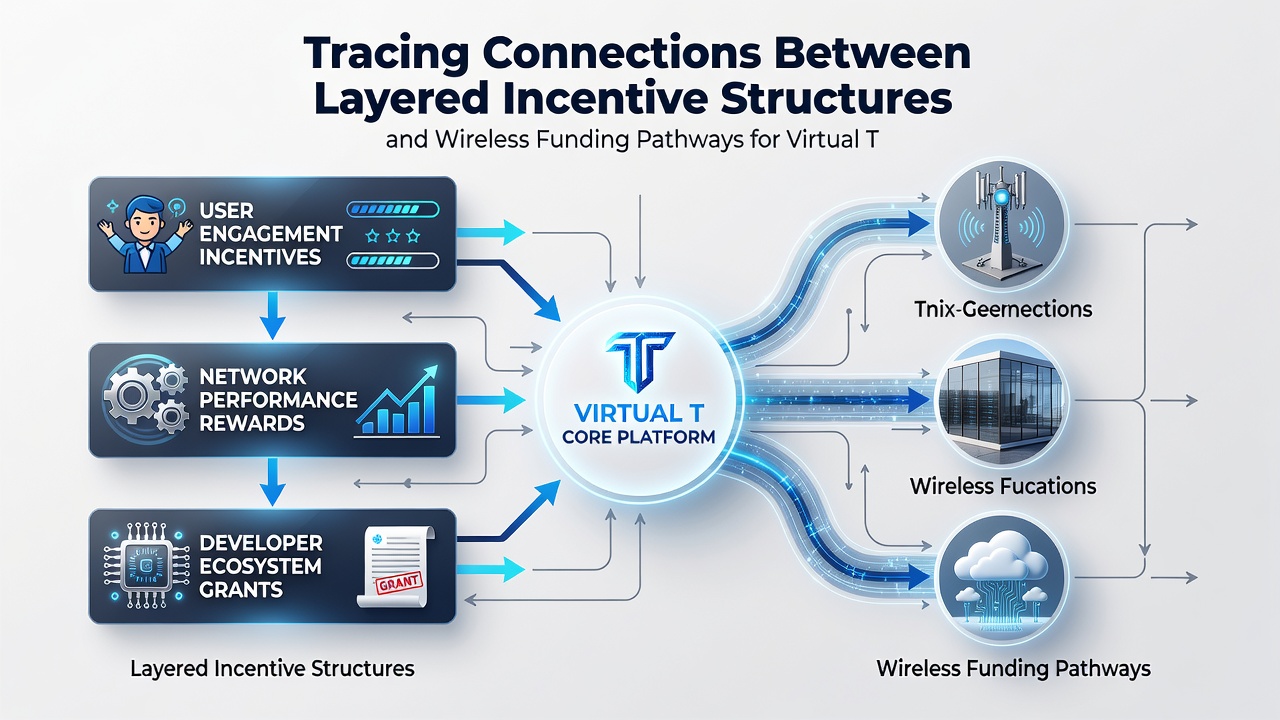
Take one platform analysis that examined data flows between loyalty databases and payment processors, and the results pointed to reduced latency when tiered incentives trigger automatic funding boosts for eligible accounts. Researchers discovered that players who route deposits through specific wireless pathways often experience accelerated progression through incentive layers because transaction metadata feeds directly into reward algorithms. This alignment creates feedback loops where sustained table sequences generate both gameplay rewards and funding efficiencies simultaneously.
Regional Data Patterns and Platform Examples
Regional variations appear in how these connections manifest, with certain markets showing tighter integration due to local payment regulations and device penetration rates. New Jersey Division of Gaming Enforcement filings from recent quarters document correlations between mobile deposit volumes and tier advancement metrics in table game segments. Meanwhile, reports compiled by the Gambling Research Exchange Ontario highlight similar patterns in Canadian jurisdictions, where wireless funding options coincide with structured loyalty programs that scale across virtual sequences. Platforms operating in these areas often feature unified dashboards that display both current tier benefits and available wireless funding methods side by side.
Technical Mechanisms Driving Alignment
Technical mechanisms include API bridges that pass tier status from loyalty servers to payment gateways, allowing dynamic adjustment of transaction limits or bonus eligibility during live table sessions. Evidence suggests that encryption protocols and tokenization standards support secure data exchange without disrupting sequence flow, and developers continue refining these handoffs to minimize player intervention. Those who've studied system architectures find that cloud-based synchronization between incentive databases and wireless endpoints enables operators to apply rewards instantaneously when funding occurs through approved mobile pathways.
Conclusion
Tracing these connections shows that layered incentive structures and wireless funding pathways function as interdependent components within virtual table ecosystems, with data from October 2026 underscoring consistent integration patterns across multiple regions. Platform operators continue refining the technical links that allow tier progression to influence funding parameters, while regulatory and research bodies document the resulting activity metrics. The interplay remains a focal point for ongoing platform development and compliance monitoring in digital gaming environments.